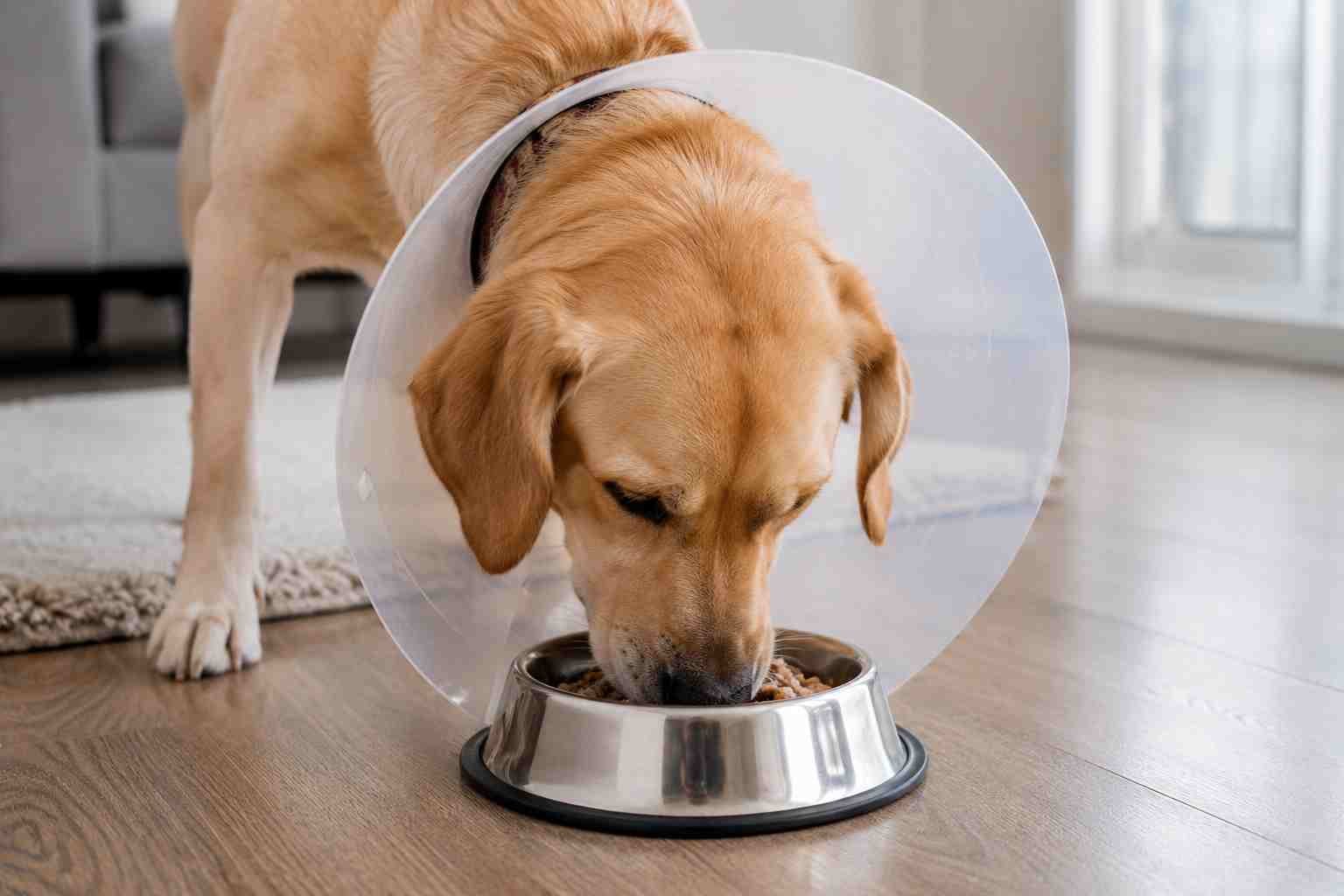

What to feed dog after spaying is one of the first questions pet owners ask once surgery is scheduled. Spaying is one of the most common surgical procedures for female dogs to prevent Pyometra. A well-planned dog spay recovery diet helps your pet regain strength and heal safely. Many dogs experience a loss of appetite for the first 24 hours due to anesthesia, so it’s important to know what to feed your dog after spaying to support healing.
Why Your Dog’s Diet Matters After Spaying
After surgery, your dog’s body needs extra nutrients to repair tissues and fight inflammation. It’s normal for your dog to eat less initially. Staying hydrated and consuming easily digestible foods can make recovery smoother and faster.
A balanced recovery diet can help:
- Support wound healing
- Reduce digestive issues
- Restore energy levels
- Encourage a healthy appetite
- Promote a faster recovery
7 Best Foods: What to Feed Dog After Spaying
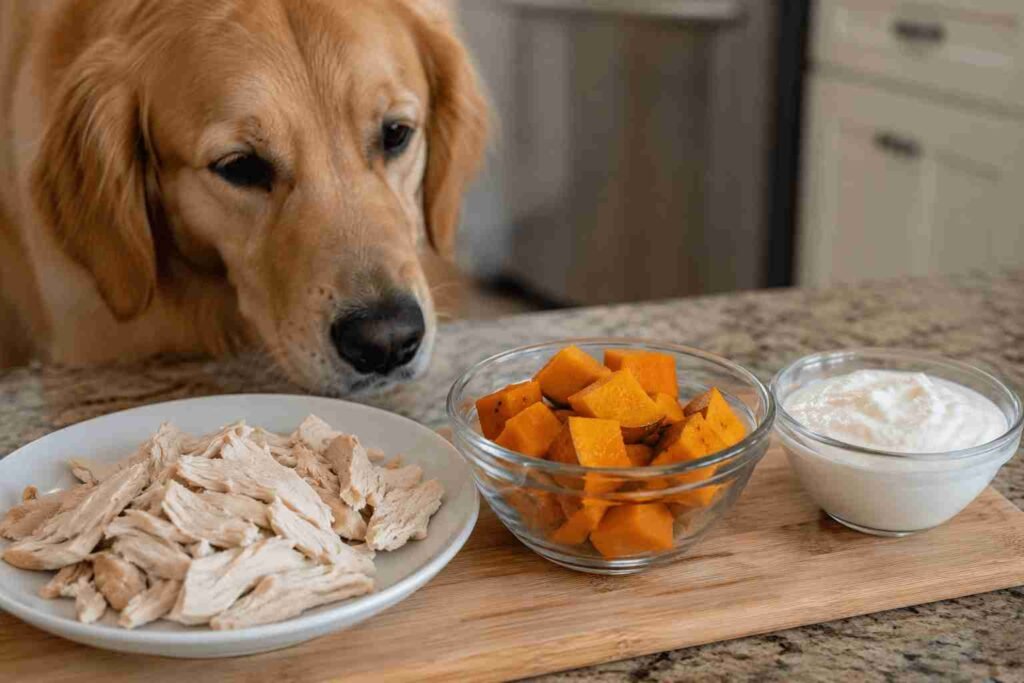
Boiled Chicken: Plain, skinless boiled chicken is easy to digest and packed with lean protein.
White Rice: Cooked white rice provides gentle carbohydrates that are easy on the stomach.
Plain Pumpkin: Unsweetened pumpkin puree adds fiber that supports digestion and eases constipation or loose stools.
Cooked Turkey: Lean, unseasoned turkey helps repair tissues and supports immunity.
Plain Scrambled Eggs: A great source of protein and amino acids; serve without butter, oil, or seasoning.
Greek Yogurt: Plain, unsweetened yogurt offers probiotics that support gut health and immunity.
Fresh Water: Hydration is just as important as food, especially in the first days home.
Dog Spay Recovery Diet: How Much to Feed After Surgery
Once you know what to feed dog after spaying, portion control matters just as much as food choice. Start small to avoid vomiting or diarrhea.
- First meal: About a quarter of a normal portion (a few tablespoons of chicken and rice).
- Day 1: Half the normal amount, split into 3–4 small meals.
- Day 2: About three-quarters of normal portions, still divided.
- Day 3 onward: Regular portions and schedule, if there’s no vomiting or appetite loss.
Always check with your vet for a portion suited to your dog’s size and needs.
Foods to Avoid After Surgery
Keep meals simple and avoid:
- Fatty or fried foods
- Table scraps
- Spicy or seasoned foods
- Chocolate, grapes, and raisins
- Onions and garlic
- Bones or hard treats
Feeding Tips for a Smooth Recovery
Now that you know what to feed dog after spaying, timing matters too.
- Wait until your vet says it’s safe to feed, usually a few hours after arriving home.
- Offer a small meal first, not a full serving.
- Feed smaller meals throughout the day if appetite is low.
- Return to their regular diet gradually over two to three days.
- Watch for vomiting, diarrhea, or refusal to eat.
If your dog refuses food for more than 24 hours or shows signs of pain, contact your veterinarian immediately.
When to Call Your Vet
- No appetite for more than 24 hours
- Repeated vomiting or diarrhea
- Swelling, redness, or discharge at the incision site
- Excessive lethargy or signs of pain that worsen
- Licking or chewing at the incision
- Fever, warm ears, or a dry nose
Always trust your instincts. If something feels off, a quick call to your vet is always worth it.
Frequently Asked Questions
Can my dog eat immediately after spaying?
Most vets recommend waiting a few hours after arriving home, since anesthesia can temporarily reduce appetite.
Is chicken and rice good after dog surgery?
Yes, it’s one of the most recommended combinations because it’s gentle on the stomach and easy to digest.
How long should I feed soft food after spaying?
Most dogs return to their regular diet within two to three days if recovery is going well.
Can I give my dog treats after surgery?
It’s best to avoid treats for the first day or two unless your vet says otherwise.
Final Thoughts
Once you know what to feed dog after spaying, portion control matters just as much as food choice. Focus on easily digestible, and protein-rich foods. Do provide plenty of fresh water and introduce regular meals gradually. Combined with rest and proper post-operative care, a healthy recovery diet will help your dog heal safely and comfortably.
Always follow your veterinarian’s post-operative instructions and consult your vet if your dog refuses to eat. If they experience vomiting, excessive lethargy, or show any signs of complications during recovery, don’t wait and immediately consult with the veterinarian.


Comments are closed.
[…] do this during a spay or neuter surgery (if your dog is recovering from spaying, see our guide on what to feed a dog after spaying for recovery diet […]
[…] a high-risk breed. This is sometimes done alongside a spay or neuter, and you can read more about recovery diets after spaying if your dog has one […]
[…] is important to decrease our dogs weight through proper diet and exercise. One thing to note is not to over exercise your dogs as it is going to negatively […]