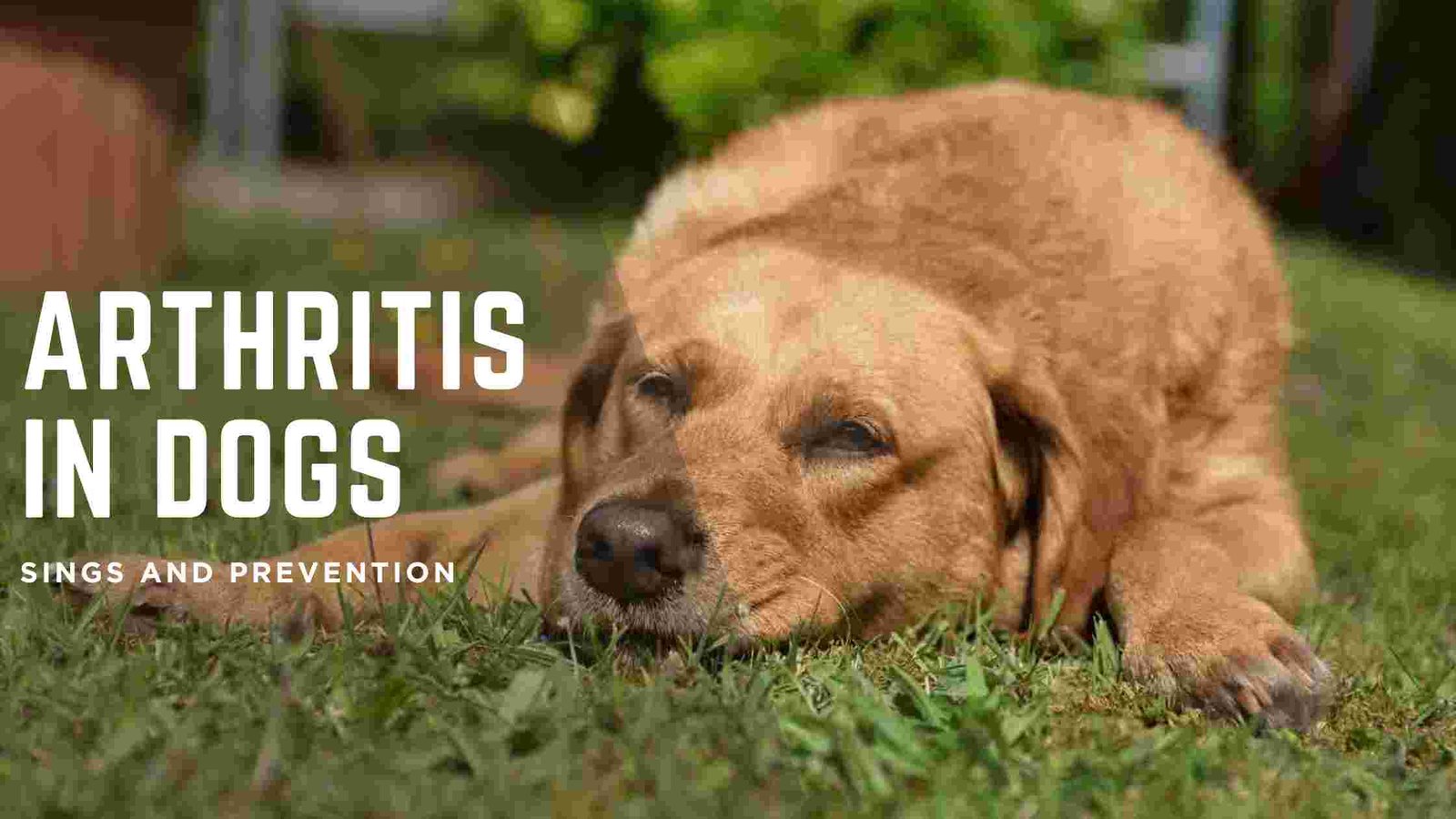

Arthritis is common in senior dogs. As our dogs get older, they become naturally weaker and less active. It’s easy to assume that they are slowing down because of their age but the reality is different. In most cases, they are in pain.
My pet Jessy also slowed down as she grew older. We thought it was because of her age but turns out she was in extreme pain. It was trickier to detect the pain because she was very good at hiding it.
Arthritis is a condition that grows gradually. Many owners confuse these early signs with aging. Here’s a guide that explains what to watch for and what helps your dog.
Table of Contents
What is Arthritis in dogs?
Arthritis is painful and can lower the quality of our pets lives. Arthritis is also called osteoarthritis.
It’s a condition where the protective cartilage in joints breakdown. It causes the bone to rub together, stiffness, pain and inflammation. It’s most common in dogs around the age of 7-8 years. It can also affect dogs of any age due to injuries or genetics. It can’t be cured but we can help minimize the pain and discomfort. Management strategies can slow the progression of arthritis in dogs.
Early signs of arthritis that owners can easily miss
Difficulty in getting up
Jessy would also get up weirdly but we never really paid much attention. A healthy dog can smoothly get up after laying down on the hard floor. But if your dog can’t get up as smoothly and hesitates it could be arthritis and not aging. They push themselves harder with their front legs or slip because their back end is weaker.
Going Up and Down the stairs
If your dog suddenly takes time to climb up or down the stairs, it could be a classic sign of arthritis. In most dogs going down is harder than climbing up. It’s because it puts a lot of pressure on their joints. My Jessy would also take longer to go up and down the stairs. In most cases she would completely avoid using stairs.
First minute of the walk
A dog with arthritis will be slower the first 30 seconds or a minute of a walk. It is because the pain is worse when the joints are stiff and sudden movement (walking) can cause tension in joints. After walking for a while they tend to look normal as their joints loosen up. This is why owners miss out this small but obvious signs.
Irritability
Pain can make dogs irritable. They might growl or try to snap when touched in a painful area. We think maybe it’s because they don’t want to play with us or they are just not in the mood of cuddling. But the real reason is they are protecting the painful joint. My Jessy also would snap whenever I tried touching her hips and lower leg.
Fatigue
Arthritis can make dogs tired easily. They prefer to sleep more, rest more and less interested in walks or play. Owners confuse this as aging but it’s because their body is in pain to be active. It is actually a joint pain and not a personality change. My dog used to get excited about walks then suddenly started to ignore it.
Limping
Limping can easily be missed out by the owners. It is because arthritis limping is usually mild. It builds up slowly. It’s most noticeable right after resting, especially in cold weathers/morning. Some dogs start limping then walk it off making it harder for the owners to detect. Limp can also shift from one leg to another as different joints get affected.
Managing Arthritis in senior dogs
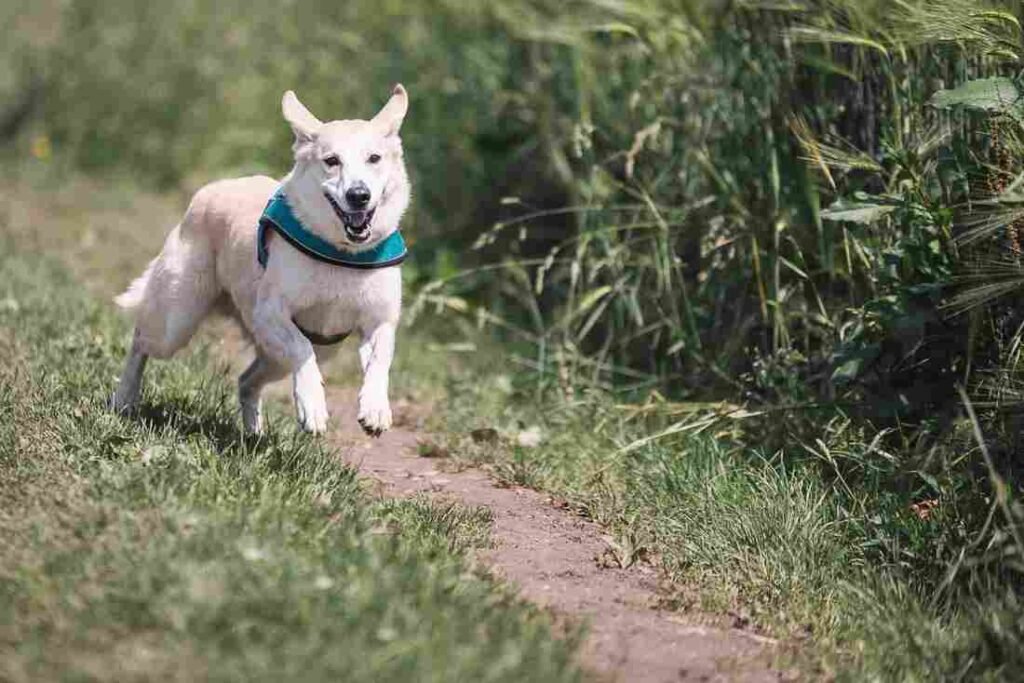
Weight Management
It is one of the main ways to manage arthritis and the most neglected one. If your dog is heavy, it will create tension on their legs and joints. It will cause the joints to breakdown at a faster rate than usual.
It is important to decrease our dogs weight through proper diet and exercise. One thing to note is not to over exercise your dogs as it is going to negatively affect the their joint. A control diet and regular exercise will help your dog stay healthy and reduce joint pressure and pain.
Physical Therapy and Hydrotherapy
Many pet owners don’t know this but there are many animal physiotherapists who help reduce pets’ pain. If your dog is suffering from arthritis, it’s best to ask your vet for a physiotherapist number.
You can have the physio come to your house or visit them with your dog (only if your dog is comfortable with it). Do a monthly session to help your dog ease their pain. This will increase the quality of your dog’s life. A physiotherapist can also guide you through safe exercise to regain their strength and mobility.
Comfortable Bedding
An older dog shouldn’t be lying down on the floor or a small bed sheet/small blanket. They need either a soft comfortable bed or orthopedic bed.
It is because they need thick mattresses to protect their joints. It relieves the pressure on their body. These beds contour the body instead of pushing back on their sore joints. It protects dogs from cold flooring. A comfortable bed can ease stiffness, pain and tension from the joints.
Joint Suppliments
Joint supplements are great for building up the joints. You are not going to see an immediate effect after giving supplements to your dog. As it can take 6-8 weeks to shows effect or results.
There are various joint supplements that you can use. Most of them have very similar compositions. Do consult with your vet on which supplements to give your dog. This should be your base as it builds the joints.
Low impact exercise
It keeps our dog moving while putting less pressure on the joints. Swimming is one of the best exercises because body weight is managed/supported by water.
Short walks on grass also help than long walks on hard flooring or roads. It’s important to be consistent with exercise. Consistency works better than intensity. It keeps the muscles and joints moving. Too much rest can also make stiffness worse. A little movement everyday is a must for your dog.
When to see a vet
If you have noticed these signs, especially if it’s been more than 3 weeks or a month, then it’s time to see your vet. Early diagnosis makes a real difference in our dogs quality of life. So instead of assuming its just an age, it’s better to get your dog evaluated.



Comments are closed.
[…] in moderation. It contains vitamins, fibers, and is packed with antioxidants. It is also great for dogs with Arthritis and some dogs with allergies. It is low in calories which makes it a healthy […]
[…] Collapse or inability to stand […]