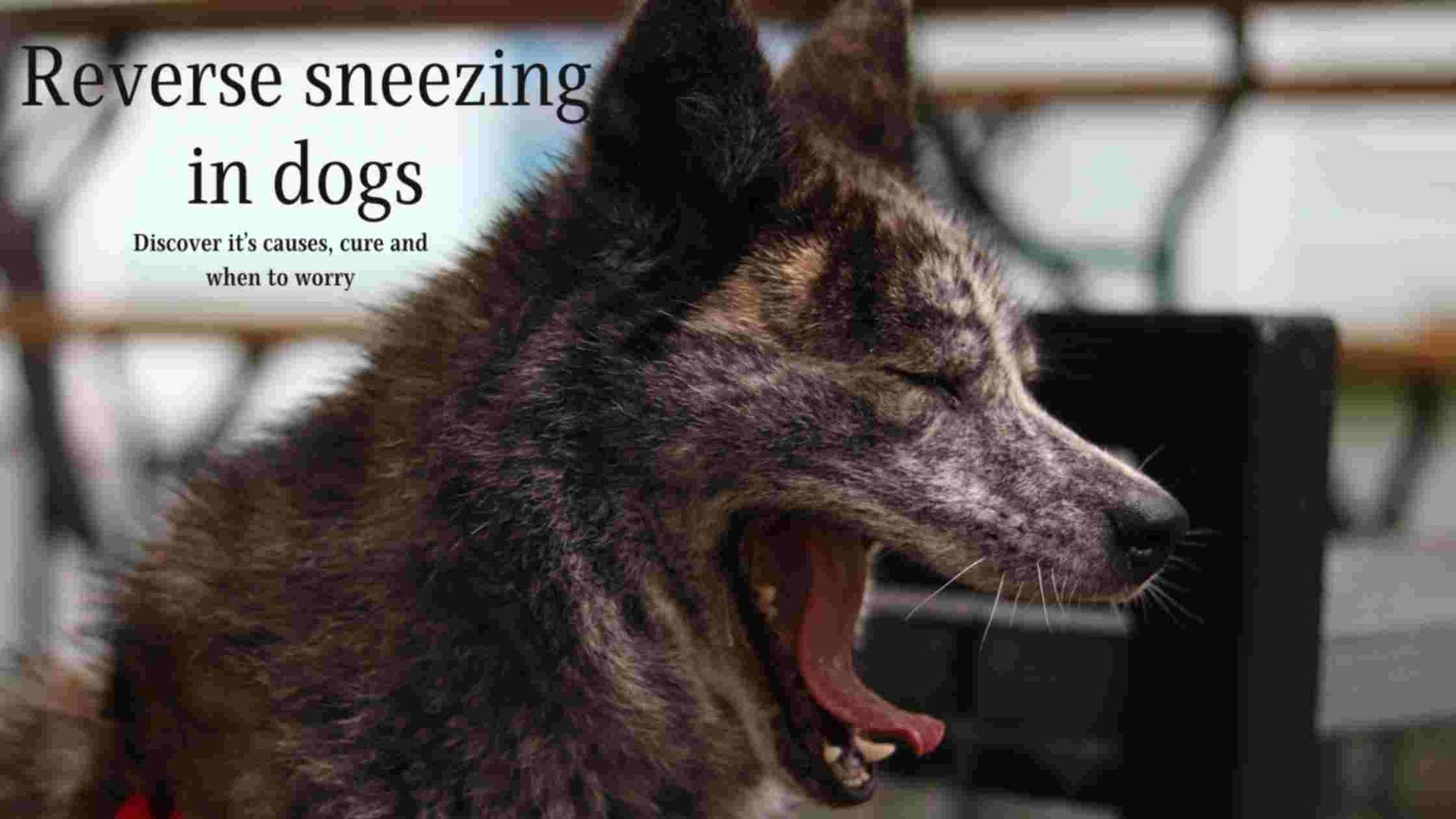

The first time it happened with Jessy, I was so scared. I thought she was choking.
She was lying by the door, completely relaxed. Out of nowhere she started making loud snorting sounds. She was gasping like she couldn’t catch her breath. It lasted maybe 15 seconds. Then it stopped. She shook her head once and went right back to sleeping.
If you have been through this situation then you must be panicking and confused right now. But you’re not alone. This is one of the most common “is my dog dying” search moments for dog owners. In majority of cases the answer is no.
This guide covers what reverse sneezing actually is, what causes it, how to stop an episode in the moment, and the specific situations where it’s worth an actual vet visit.
Table of Contents
What Is Reverse Sneezing in Dogs?
Quick answer: Reverse sneezing is when a dog quickly sucks air in through the nose over and over, instead of blowing it out like a normal sneeze. It happens because the throat and soft palate briefly spasm, or tighten up for a second. It’s medically called paroxysmal respiration. It looks alarming but it’s not dangerous on its own.
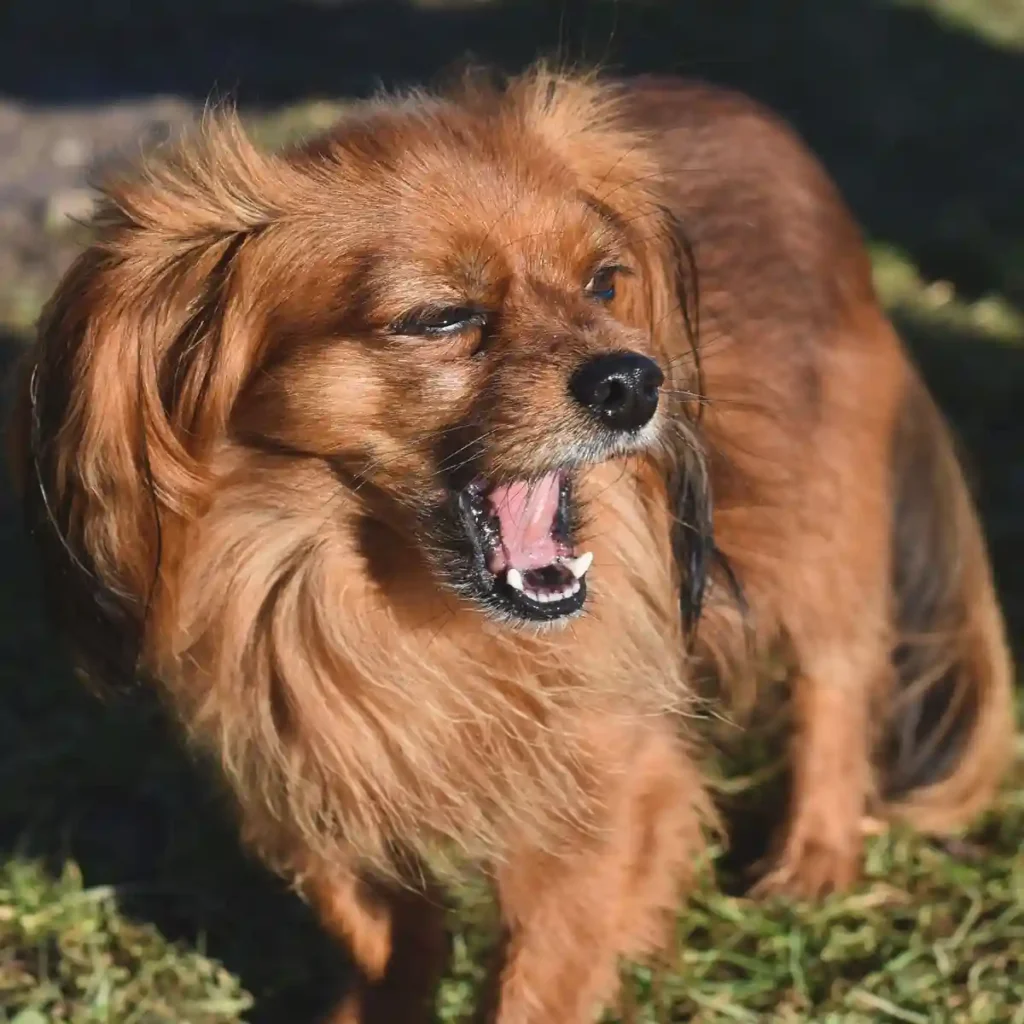
Think of a regular sneeze but in reverse where a normal sneeze forces air out, this forces air sharply in. The sound comes from the soft palate and throat narrowing. This is why it comes out as a loud snort, honk, or gasp rather than the “achoo” we would expect.
What Does Reverse Sneezing Sound Like?
This is usually the exact thing that sends owners searching in a panic. During an episode, a dog will typically:
- Stand still with their neck extended and head stretched forward or slightly down
- Make loud, rapid snorting or honking noises through the nose
- Appear to be gasping or struggling to breathe in
- Sometimes have their elbows spread wide, almost bracing themselves
Quick answer: It sounds like a cross between a goose honking and a pig snorting. It typically lasts anywhere from a few seconds to about a minute before stopping completely on its own.
Reverse Sneezing vs. Choking vs. Kennel Cough vs. Seizure
Owners frequently confuse reverse sneezing with three other things. So here’s how to tell them apart quickly:
Choking: A choking dog is usually panicked. They are pawing at their mouth or face, and may have pale or blue-tinged gums. Reverse sneezing dogs stay alert and are not in visible distress. If you look closely they just sound alarming.
Kennel cough: This produces a dry, honking cough that repeats over minutes or hours. It may often comes with lethargy or nasal discharge. Reverse sneezing is a short, self-limiting episode that resolves in under a minute with no lingering symptoms.
A seizure: This is the one worth being most careful about, because it’s genuinely easy to confuse the two at first glance. A dog having a seizure will usually lose awareness and may collapse. A reverse sneezing dog stays fully conscious and alert throughout and returns to normal instantly once it’s over. If you’re unsure which one you witnessed, our guide to dog seizures breaks down the warning signs in detail.
Causes of Reverse Sneezing in Dogs
There’s rarely one single cause of reverse sneezing in dogs. It’s usually an irritation response. The most common triggers include:
- Environmental irritants: pollen, dust, perfume, cleaning sprays, or smoke
- Excitement or fast eating/drinking, which can pull air in too quickly
- Sudden temperature changes, like walking from a hot car into air conditioning
- Nasal mites or foreign material, such as a blade of grass caught in the nasal passage
- Pulling on the leash, which can put pressure on the throat and trachea (most common)
- Anatomy, since dogs with shorter noses (like Pugs, Bulldogs, and Boston Terriers) are more prone to it due to a longer, more easily irritated soft palate
How to Stop a Reverse Sneezing Episode (Cure)
There’s no medical “cure for reverse sneezing in dogs” needed for a normal, occasional episode, because it resolves by itself. That said, there are a few gentle things that reliably shorten an episode and help your dog feel more comfortable:
Step 1: Stay Calm
Your dog will pick up on your energy. Speaking in a calm, low voice helps more than you’d expect.
Step 2: Gently Massage the Throat
Lightly stroking your dog’s throat downward can help interrupt the spasm.
Step 3: Briefly Cover the Nostrils
Gently placing a hand over your dog’s nostrils for a second or two encourages them to swallow, which often resets the soft palate and stops the episode almost immediately.
Step 4: Encourage a Swallow
If covering the nose doesn’t feel right for your dog, gently blowing on their face or offering a small lick of something tasty (like a dab of peanut butter). This can prompt a swallow that ends the episode the same way.
Step 5: Let It Pass
If none of the above feels necessary, that’s fine too. Most episodes end naturally within 30–60 seconds regardless of what you do.
Quick answer: The fastest, most reliable way to cure reverse sneezing in dogs in the moment is gently covering the nostrils for a second to trigger a swallow. This interrupts the spasm almost instantly for most dogs.
Why Is My Dog Reverse Sneezing a Lot? (Frequent Episodes)
An occasional episode is normal. But if your dog is reverse sneezing a lot (multiple times a day, or several days) in a row then it’s worth paying closer attention. It is because frequent or constant dog sneezing can point to something beyond a irritation:
- Allergies: seasonal or environmental allergens causing ongoing nasal irritation
- Chronic nasal irritation: from something lodged in the nasal passage that hasn’t cleared
- Nasal mites or infection: which cause repeated irritation until treated
- Dental disease: tooth root infections can irritate the nasal passages in dogs, especially in older dogs
- Structural issues: more common in brachycephalic (flat-faced) breeds, where the soft palate is more prone to repeated irritation
A dog reverse sneezing a lot in a single sitting during high pollen season is very different from a dog doing its constant sneezing episodes across weeks. The second pattern is the one that warrants a vet visit rather than a wait-and-see approach.
When to See a Vet
Reverse sneezing on its own is rarely an emergency, but book a vet visit if you notice any of the following:
- Episodes happening multiple times per day or increasing in frequency
- Nasal discharge, blood, or a foul odor accompanying the episodes
- Your dog seems genuinely distressed, not just making the sound but also panicking or struggling to breathe normally between episodes
- Loss of appetite, lethargy, or coughing alongside the sneezing
- An episode that doesn’t stop within a couple of minutes, or is followed by collapse or disorientation
A single, short episode with no other symptoms is not an emergency. Frequent episodes, nasal discharge, or any sign of real breathing distress between episodes is when it’s time to call your vet.
FAQ: Reverse Sneezing in Dogs
Q1: Is reverse sneezing painful for dogs? No. It looks and sounds alarming, but it’s not painful. Most dogs act completely normal immediately afterward, as if nothing happened.
Q2: Can reverse sneezing be a sign of a serious illness? Occasional reverse sneezing is almost always harmless. Frequent or worsening episodes can occasionally point to allergies, nasal mites, or dental issues, which is why a vet check is worth it if the pattern changes.
Q3: Do certain breeds reverse sneeze more than others? Yes. Flat-faced (brachycephalic) breeds like Pugs, Bulldogs, Boston Terriers, and Shih Tzus are more prone to it because of their shorter nasal passages and longer soft palate.
Q4: Should I take my dog to the vet after every reverse sneezing episode? No, not for a single, brief, isolated episode. Save the vet visit for frequent episodes, nasal discharge, or signs of real distress.
Q5: How long does a reverse sneezing episode usually last? Most episodes last anywhere from a few seconds up to about a minute, then resolve completely on their own.
Keep Your Dog Well is committed to practical, vet-informed guidance for real dog owners. If your dog’s symptoms seem severe, prolonged, or you’re simply unsure, a quick call to your veterinarian is always the safest next step. This aligns with guidance from VCA Animal Hospitals, which confirms reverse sneezing is a common, generally benign reflex rather than a medical emergency.

Comments are closed.
[…] that’s usually a real infection, not just minor irritation. Other sudden symptoms, like reverse sneezing, can look just as alarming but usually aren’t an […]