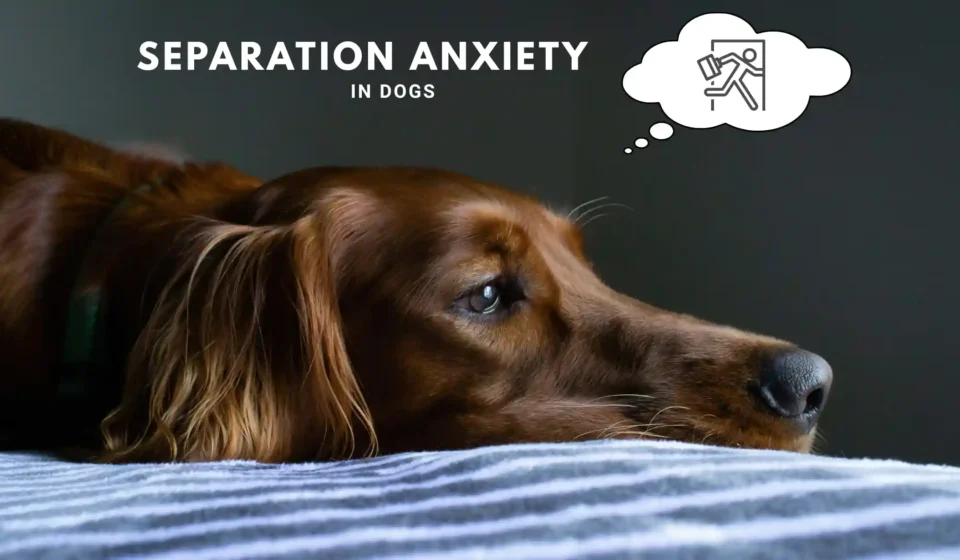

My Dog Jessy also had separation anxiety. Here’s what it looked like
When no one was in the house and it was all empty, Jessy used to get very sad and down. If someone wasn’t home with her, she’d cry and bark. She’d just stay right beside the door like she was waiting for someone to come back.
At the time, it just seemed like she “missed us.” It took quite a time for us to realize it was not normal. It was actually a real panic response. Looking back, the signs were there the whole time but we just couldn’t figure it out. The crying started almost as soon as the house went empty, and she never really relaxed until someone was back beside her. She also would not eat her meal when the house was empty.
The moment we used to come back home, she would get very happy and excited. She would move from one room to another, eat her meal properly and sleep peacefully.
If it sounds familiar then you are not alone. This guide breaks down what canine separation anxiety actually is, how to recognize it, what causes it, and a real, step-by-step training plan for treating it whether you’re dealing with a new puppy or a dog who’s struggled with this for years.
Table of Contents
What Is Separation Anxiety in Dogs?
Separation anxiety in dogs is a panic response, not a behavior problem. It happens when a dog becomes sad or anxious when they are separated from a specific person that they are attached to. It is different from boredom or lack of training. True separation anxiety is rooted in fear. The dog genuinely believes something is wrong when their person leaves.
This distinction matters. A bored dog might chew a shoe. A dog with anxiety may claw through drywall, injure themselves trying to escape, or panic within seconds of being left alone. Treating the two the same way rarely works. This is why generic “just crate them” advice often fails.
Separation Anxiety in Dogs: Symptoms to Watch For
Here are the most common separation anxiety in dogs symptoms, ranging from mild to severe:
- Vocalizing: Barking, whining, or howling that starts almost immediately after you leave. This was Jessy’s biggest tell too. Our neighbour would inform us that as soon as we left the house she’d start crying and barking
- Destructive behavior: Chewing doors, windows, or furniture, especially near exit points
- House soiling: Accidents from a dog who is otherwise fully house-trained. Jessy was fully trained. But on the worst days of her anxiety, she would lose control of her bladder.
- Pacing or repetitive movement in a fixed pattern.
- Excessive drooling or panting unrelated to heat or exercise. We noticed Jessy panting heavily even on cool days, without any exercise. It was just stress.
- Escape attempts: Scratching at doors, crates, or windows, sometimes to the point of injury.
- Following you obsessively room to room when you’re home (often called “velcro dog” behavior). Jessy did this constantly. She couldn’t settle anywhere except right beside us. The moment we were out of sight, the anxiety started to take in.
- Refusing food or treats when left alone, even ones they normally love. We would put some of her favorite treats out but it remained untouched. If your dog is also refusing meals beyond just being left alone, our guide on why dogs stop eating covers the other causes to rule out.”
Quick answer: The clearest sign of separation anxiety is a distress response that begins before or immediately after departure. It is not gradually over hours. If your dog is calm for the first 30 minutes and then acts out, it may be a different issue like under stimulation.
What Causes Anxiety in Dogs When You Leave?
There’s no single cause, but several patterns show up again and again:
- Change in routine: A move, a new work schedule, or a household member leaving
- Under-socialization, especially in puppies never taught to be alone gradually
- A traumatic event, such as time in a shelter, re-homing, or a scary experience while alone
- Over-attachment, often unintentionally reinforced by constant togetherness (common with pandemic-era puppies and remote-work households)
- Genetics and temperament some breeds and individual dogs are simply more prone to anxious attachment styles
Puppy Separation Anxiety vs. Adult Dog Separation Anxiety
Puppies and separation anxiety are a special case. Puppies haven’t yet learned that “alone” doesn’t mean “abandoned forever’. So some distress is developmentally normal. The goal with puppy separation anxiety training is prevention. Teaching your puppy early that alone time is safe and temporary, before anxious patterns become habits.
Adult dogs with established separation anxiety usually need a slower, more structured desensitization process. It is because the fear response is already learned and reinforced.
Treating Separation Anxiety in Dogs: A Step-by-Step Plan
This is the core of any real dog separation anxiety training program. It’s slow by design and rushing it is the number one reason treatment fails.
Step 1: Rule Out Other Causes First
Before starting anxiety-specific training, confirm it isn’t a medical issue, incomplete house-training, or lack of exercise. A vet visit is a reasonable first step for sudden or severe cases.
Step 2: Lower the Stakes of Departure
Stop making leaving a big event. Skip long goodbyes, and pick up your keys or put on your shoes at random times without leaving. So those cues stop predicting abandonment.
Step 3: Practice Micro-Departures
This is the foundation of canine separation anxiety treatment. Leave for literally 5–10 seconds, then return calmly before your dog escalates. Gradually increase the duration over days and weeks, seconds to minutes to hours. While always staying under your dog’s anxiety threshold.
Step 4: Build a “Safe Alone” Association
Give your dog something positive that’s only available when you’re gone (a stuffed food toy, a specific blanket, calming music). This helps recondition alone time as something tolerable, even pleasant.
Step 5: Use Anxious Dog Training Techniques Consistently
For dogs with moderate to severe anxiety, working with a certified trainer or veterinary behaviorist who specializes in canine separation anxiety training speeds up progress significantly and reduces setbacks.
Step 6: Consider Support Tools If Needed
For more severe cases, vets may recommend anti-anxiety medication or supplements alongside training. It is not a replacement for it. Medication can lower a dog’s baseline stress enough that training actually sticks.
Quick answer: There’s no overnight cure. Most remedies for separation anxiety in dogs work by very gradually rebuilding a dog’s tolerance for being alone not by forcing them to “get used to it”.
Curing Separation Anxiety in Dogs: What Actually Works (and What Doesn’t)
Works:
- Gradual, threshold-based departure training
- Consistency across every household member
- Professional guidance for moderate-to-severe cases
- Predictable daily routines
Doesn’t work (and can backfire):
- Punishing destructive behavior after the fact your dog won’t connect it to the anxiety
- “Tough love” extended crating without desensitization
- Getting a second dog to “fix” it (this helps only if the anxiety is about being alone, not specifically about you)
When to Get Professional Help for Dog Separation Anxiety
Reach out to a trainer or veterinary behaviorist if:
- Your dog injures themselves trying to escape
- Anxiety is worsening despite consistent training
- Symptoms are severe from day one (not gradually building)
- You need a customized plan because generic training isn’t moving the needle
Searching for dog trainers for anxious dogs who specifically list separation anxiety as a specialty (not just general obedience) will get you faster, more reliable results.
FAQ: Separation Anxiety in Dogs
Q1: How do I know if it’s separation anxiety or just boredom? Boredom-related destruction tends to happen gradually and isn’t tied to your departure. Separation anxiety symptoms typically start within minutes of you leaving.
Q2: Can separation anxiety in dogs be cured completely? Many dogs improve dramatically and can be left alone comfortably with consistent training. “Cured” varies by dog. Some will always need a maintained routine, similar to managing any anxiety condition.
Q3: How long does separation anxiety training take? Mild cases may improve in a few weeks. Moderate to severe cases often take several months of consistent, gradual work.
Q4: Is crate training helpful or harmful for a dog with separation anxiety? It depends on the dog. Some feel safer in a den-like space. While others find crating more distressing. Introduce it slowly and watch your dog’s response before assuming it will help.
Q5: Do puppies grow out of separation anxiety? Not automatically. Early training makes a major difference in whether mild puppy anxiety fades or becomes a lasting pattern.
Keep Your Dog Well is committed to practical, vet-informed guidance for real dog owners. If your dog’s anxiety is severe or sudden, consult your veterinarian or a certified separation anxiety trainer for a personalized plan. This lines up with guidance from the ASPCA, which confirms that separation anxiety is a genuine panic response, not defiance or poor training.



Comments are closed.
[…] overly excited, stressed, or tired, chewing, licking, or biting helps cool them down. This is why dogs with separation anxiety can also be seen biting or chewing on […]
[…] shows up more with dogs who are alone a lot, don’t get much mental stimulation, or are dealing with change of some kind. For example: A […]