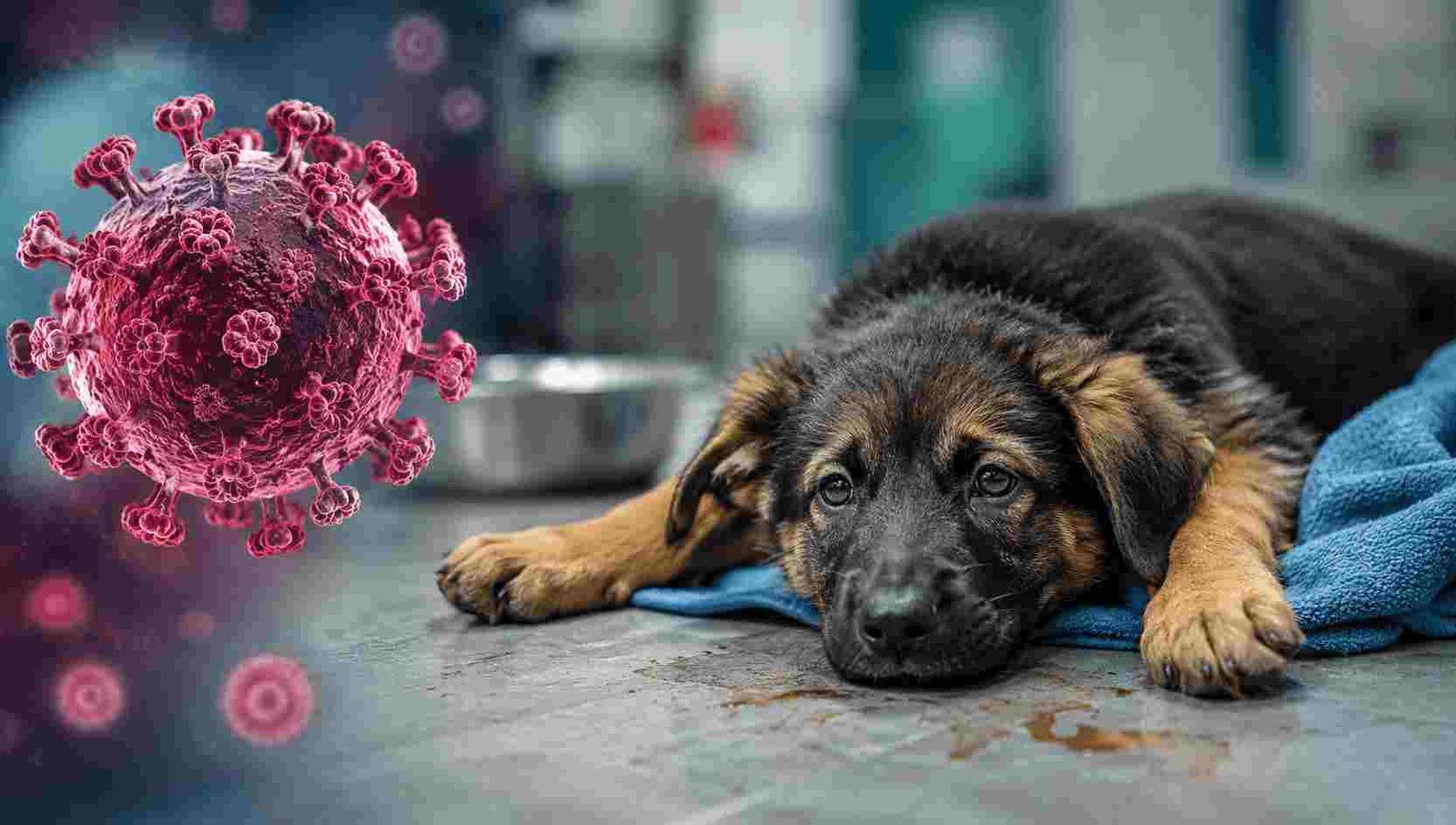

It often called parvo and is one of the most dangerous viral diseases affecting dogs, especially puppies. The virus spreads quickly, attacks the digestive system and immune cells, and can become life-threatening without immediate veterinary care. Fortunately, parvovirus is largely preventable through vaccination and proper hygiene.
In this guide, you’ll learn how to recognize the symptoms of parvovirus, understand available treatments, follow the recommended vaccine schedule, and take practical steps to keep your dog safe.
What Is Dog Parvovirus?
Canine parvovirus (CPV) is a highly contagious virus that primarily affects puppies between six weeks and six months old. Although unvaccinated adult dogs can also become infected.
The virus spreads through contact with infected feces, contaminated surfaces, food bowls, bedding, shoes, clothing, and even soil. Because this virus is extremely resilience, it can survive outdoors for months. This makes prevention especially important.
Common Symptoms of Parvovirus
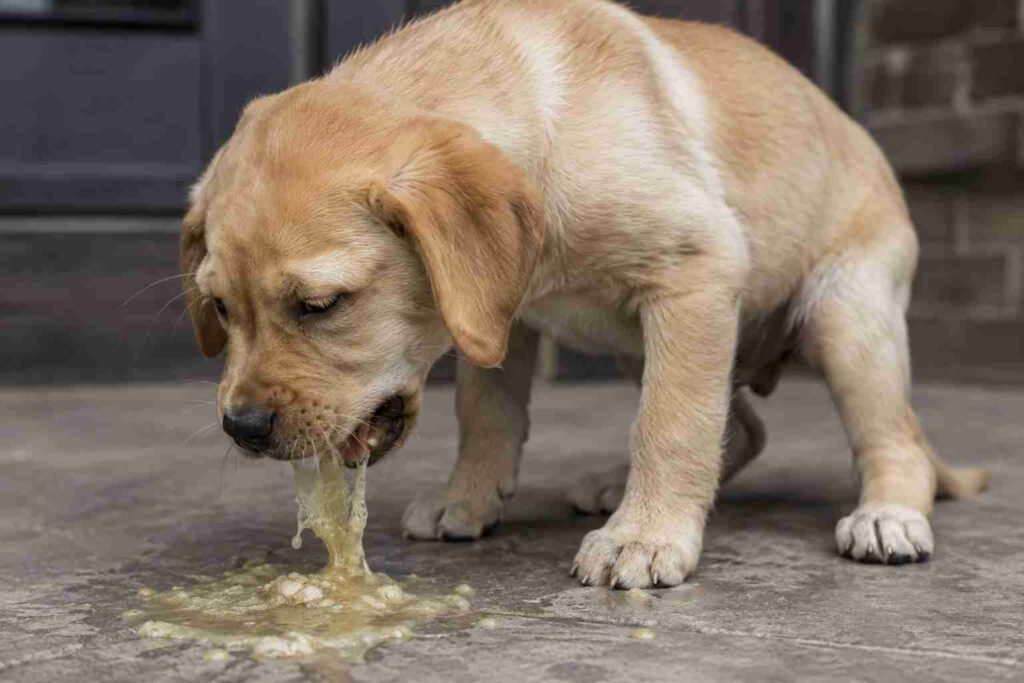
Early detection is the most important as it makes the prevention much effective. Contact your veterinarian immediately if your dog develops any of the following symptoms:
- Severe vomiting
- Bloody or foul-smelling diarrhea
- Loss of appetite
- Extreme lethargy or weakness
- Fever or low body temperature
- Rapid dehydration
- Weight loss
- Abdominal pain
Puppies can become critically ill within a short period due to severe dehydration and secondary bacterial infections. Don’t wait to see if the symptoms improve on their own.
How Is Parvovirus Diagnosed?
Veterinarians diagnose parvovirus using a combination of:
- Physical examination
- Medical history and vaccination status
- Rapid fecal antigen tests
- Blood tests to evaluate white blood cell counts and dehydration
Prompt diagnosis allows treatment to begin as early as possible, improving the chances of survival.
Treatment for Dog Parvovirus
There is no medication that directly kills the virus itself. Treatment focuses on supporting your dog’s body while its immune system fights the infection.
Treatment commonly includes:
- Intravenous (IV) fluids to prevent dehydration
- Anti-nausea medications to control vomiting
- Antibiotics to reduce the risk of secondary bacterial infections
- Pain management when needed
- Nutritional support once vomiting is under control
- Careful monitoring in a veterinary hospital
With aggressive treatment, many dogs recover successfully. However, delaying veterinary care greatly reduces survival rates.
Parvovirus Vaccine Schedule
Vaccination is the most effective and only way to protect your dog from parvovirus.
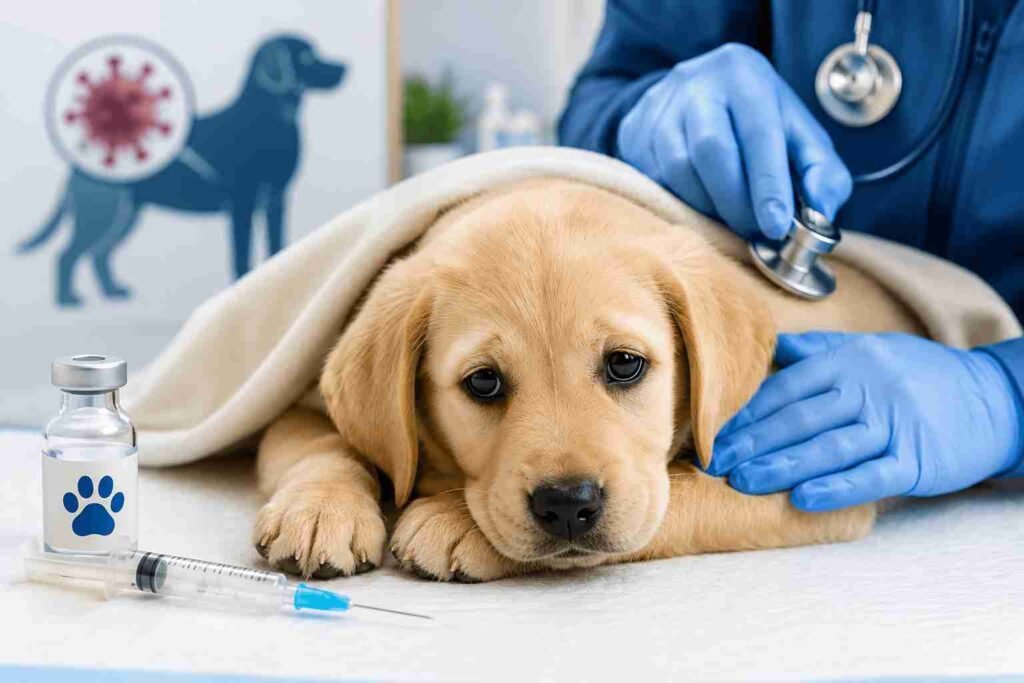
A typical vaccination schedule includes:
- Additional vaccinations every 3–4 weeks until approximately 16 weeks of age
- Booster vaccine at around 1 year
- Regular booster vaccinations afterward, based on your veterinarian’s recommendations
Puppies should avoid dog parks, pet stores, kennels, and other high-risk public areas until they have completed their full vaccination series.
How to Prevent Parvovirus
Preventing this is far easier and less expensive than treating it.
Follow these prevention tips:
- Avoid exposing unvaccinated puppies to unfamiliar dogs.
- Clean contaminated areas using a disinfectant effective against parvovirus
- Wash your hands after handling sick animals.
- Disinfect food bowls, leashes, crates, toys, and bedding if exposure is suspected.
- Schedule routine veterinary wellness visits to keep vaccinations current.
These simple steps can significantly reduce your dog’s risk of infection.
Frequently Asked Questions
Can vaccinated dogs still get parvovirus?
Yes, although it is uncommon. Vaccinated dogs generally have much stronger protection and are far less likely to develop severe illness than unvaccinated dogs.
Can humans catch canine parvovirus?
No. It does not infect humans. However, people can unknowingly carry the virus on their shoes, clothing, or hands and spread it to other dogs.
How long does parvovirus survive outside?
It is remarkably resilient and can survive in soil and on contaminated surfaces for several months, especially in cool and shaded environments.
Can adult dogs get parvovirus?
Yes. Adult dogs that are unvaccinated, incompletely vaccinated, or have weakened immune systems remain at risk.
Final Thoughts
This virus is a serious disease, but it is also one of the most preventable. You should vaccinate your puppies and dog on time for prevention. Knowing the early warning signs, seeking immediate veterinary care, and following a proper vaccination schedule can improve your dog’s chances of staying healthy.
Whether you have a new puppy or an adult dog, staying proactive with vaccinations, routine veterinary checkups, and good hygiene practices is the best defense against parvovirus. By taking these precautions, you can help your canine companion live a healthier and happier life.
Disclaimer: This article is for informational purposes only and should not replace professional veterinary advice. Always consult your veterinarian for diagnosis, vaccination schedules, and treatment recommendations for your pet.

Comments are closed.
[…] parvo in dogs is a huge relief for owners. But recovery is where the real work begins. Parvovirus is brutal on a […]
[…] Repeated vomiting or diarrhea […]