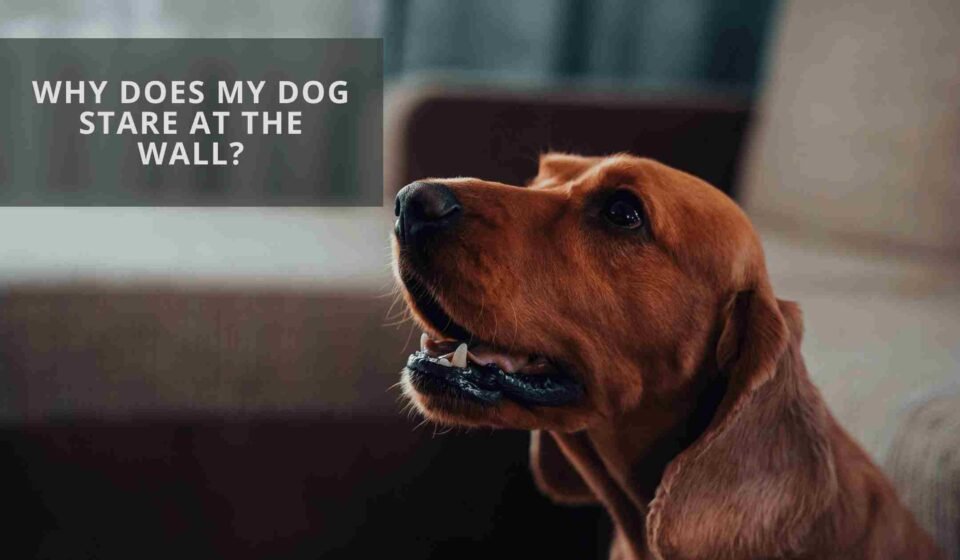

Just like us, dogs also get lost in their own world and stare at a blank wall or space. If you are wondering why does my dog stare at the wall, then most of the time it’s normal.
Dogs have a higher ability to smell and hear things than humans. Your dog might have heard or smelled something new. Most of the time, it is because of boredom, or they are simply resting with their eyes open. If it happens only sometimes, there is nothing to worry about.
But if you notice this in a senior dog, it may be CCD (Canine Cognitive Disorder). It is a condition similar to human dementia. If your dog stares at a blank wall, which is followed by confusion or pacing, it’s worth a vet visit immediately.
Table of Contents
Why does my dog stare at the wall?
There are many reasons for your dog to stare at the wall. The good news is most of the time it’s completely normal and harmless. We will discuss in detail what’s going on, what to do, and when to visit the vet.
So if you are wondering why does my dog stare at the wall, it comes down to one of these five common reasons.
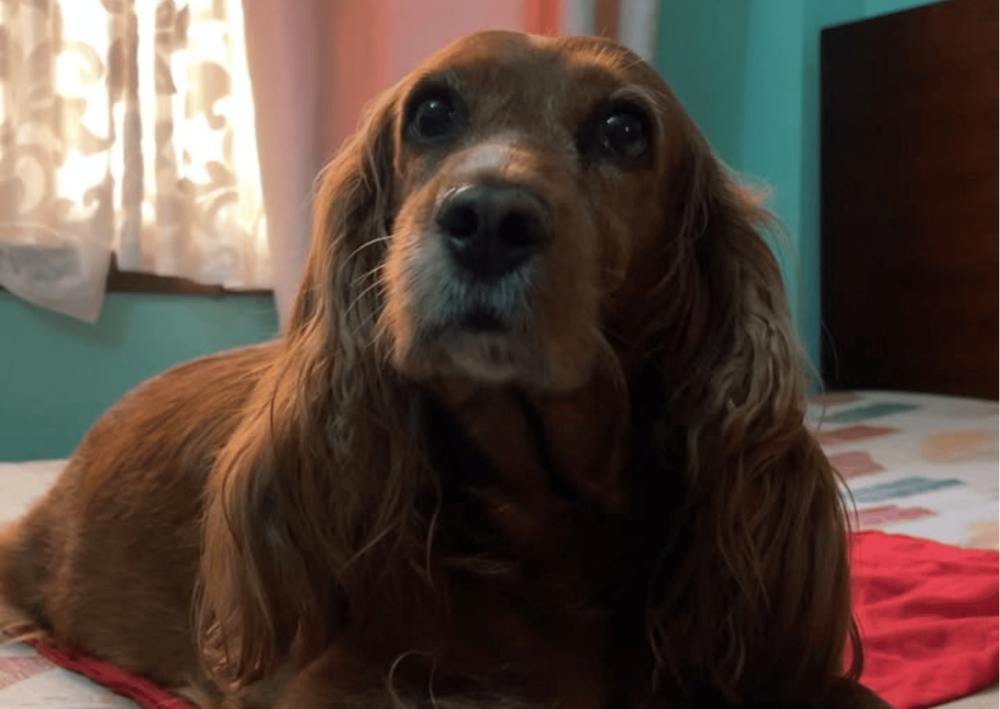
Your dog heard or smelled something
As mentioned earlier, dogs have powerful hearing and smelling abilities compared to humans. It is one of the most common explanations for why dogs stare at the wall. Dogs can pick up sounds and smells that humans can’t. We might find this behaviour unusual, but to them it’s completely normal.
This type of staring looks calm rather than stressed or confused. You may notice your dog’s ears may perk up or their nose may move a little. It’s cause they are paying attention. And when the sound or smell goes away, they seem normal. They are not interested in the wall.
What to do: You don’t have to do anything. It’s a completely normal reaction your dog has to an unfamiliar sound or smell.
Boredom
Humans also stare at a blank wall or space when they are bored. It’s the same with dogs. Dogs are smart, intelligent, and social creatures. If they don’t get enough physical exercise and mental stimulation, they either stare at walls or the floor. Some dogs may chew or pace around the house to release their energy.
It’s most common in dogs who are left alone for long periods and don’t have much to do in their day-to-day activity. For example: If you work on a computer and your work’s completed. You stare at the computer, not reading the alphabet, just zoning out. Your brain is just looking for something to focus on. So, when dogs don’t get enough activity in a day, their minds need something to do or focus on.
What to do: You can add longer walks, play, or fun activities. Try spending more time playing or training your dog. You can also rotate your dog’s toys; they won’t get bored with the same toys. Add variation in their routine.
Resting with eyes open
If you are wondering why does my dog stare at the wall or space, then this could be the reason. It is so common for dogs to rest with their eyes open. Some dogs rest in a half-awake state similar to daydreaming, where their body is relaxed but their eyes remain open and unfocused.
If your dog feels safe, they rest completely relaxed. This is because they don’t feel the need to be alert all the time. It is usually when they are in their favorite or safe spot. You may notice them breathing normally, ears relaxed, and they don’t react much even if you move. If it occurs sometimes, it’s completely fine.
What to do: Always watch your dog’s overall body language, not just their eyes. A relaxed body, soft (not wide or fixed) eyes, a loose jaw, and floppy ears usually mean this is simply rest, not a concern. You can also call their name, and if they respond normally, that’s a good sign.
Anxiety or Stress
Humans stare at a blank wall when they are stressed or overwhelmed. Just like humans, dogs do the same if they are feeling anxious or stressed. It is more likely to show up in a new environment. For example: introducing a new pet, changing decor, or a stretch of time alone can be harder on dogs with separation anxiety. Staring, in this case, can be avoidance behaviour.
To differentiate between resting stares and anxiety stares, look at your dog’s body language. If they seem relaxed and calm, then it’s resting. But if they seem tense, stiff, and their eyes are wide open, it’s due to anxiety or stress.
What to do: Look for similar signs. Check if they are panting, pacing, hiding, or clinging. If you notice this pattern right after you go away or during a thunderstorm, it’s anxiety. I’ve covered how to ease separation anxiety in dogs in detail in another guide, so it’s worth a read if this sounds like your dog.
Canine Cognitive Dysfunction
This is the explanation that deserves the most attention, especially if your dog is getting into their senior years. Canine cognitive dysfunction (CCD) is a real, diagnosable condition that affects the brain similarly to how Alzheimer’s or dementia affects people. It’s more common in dogs seven years and older, and it tends to develop gradually, which means owners often miss early signs.
Dogs with CCD often stare for a long time without moving. They can get “stuck” facing a wall or standing in a corner, unable to back out on their own. They may also seem confused in rooms they’ve known for years. This usually comes with other changes too. Your dog might sleep more during the day but stay restless at night. A dog may start having accidents even though they are house-trained. They may show less interest in playing or being close to you.
What to do: If your dog is a senior and this staring is new, frequent, or shows up alongside any of the changes above, it’s worth bringing up at your next vet visit, even if it feels minor.
I’ve covered a full, detailed blog on CCD, also known as Dog Dementia. It’s worth a read if you feel your dog might have CCD. I have covered signs, stages, and also how to differentiate CCD from normal aging.
Why does my dog stare at the wall at night?
There’s often a simple reason for nighttime staring. Your dog can hear and smell just as well in the dark as during the day, maybe even better. So if your dog stares at the wall at night, they’re probably just noticing something you can’t. It could be a sound in the walls. It could be a temperature change. It could be something happening outside.
Sometimes it’s just part of their bedtime routine. Many dogs go through a short “settling” period before sleep. They might sit still and stare for a minute or two before finally lying down. It can look like staring at nothing, but it’s really just your dog winding down.
Watch for other signs, though. If the staring comes with pacing, whining, or trouble settling at all, that’s different. It could mean anxiety or discomfort. In that case, it’s worth mentioning to your vet.
When Wall-Staring Is a Warning Sign
Most staring is harmless, but call your vet if you notice any of the following along with the staring:
- Staring paired with jerky movements, twitching, or drooling (possible seizure activity)
- Your dog seems “stuck” or can’t stop on their own
- Confusion in a familiar room or house
- Loss of balance or walking in circles
- Sudden changes in appetite, sleep, or bathroom habits
- The staring is new and happens often, especially in a senior dog
These signs can point to a seizure disorder, a neurological issue, or cognitive decline, all things a vet can properly check for.
Frequently Asked Questions
Is it normal for a dog to stare at a wall for a long time?
It can look strange to watch. But yes, it’s usually normal. Lots of dogs go through phases like this. They’ll stare at a wall, a corner, or just space. There’s rarely one big dramatic reason for it. As long as your dog is eating well, sleeping well, and acting like themselves, don’t worry.
Why does my senior dog stare at the wall more than before?
This can be an early sign of canine cognitive dysfunction. It’s a condition similar to dementia in older dogs. Is the staring new? Does it happen a lot? Does your dog seem confused or sleep differently now? If so, mention it to your vet. According to the American Kennel Club, dogs with cognitive dysfunction often stare blankly at walls or into space and may have trouble navigating around familiar objects.
Can boredom cause a dog to stare at walls?
Yes, it can. Dogs need exercise and mental stimulation. Without enough of it, they sometimes pick up repetitive habits. Staring at walls is one of them. Try adding daily walks. Try more playtime. Puzzle toys often help too.
When should I take my dog to the vet for staring at walls?
See a vet if the staring comes with confusion. Watch for twitching too. If your dog can’t seem to stop on their own, that’s a red flag. The same goes if it’s a brand-new habit in an older dog. These can be signs of a seizure or a nerve problem.
Is wall-staring a sign of a seizure?
It can be. Watch for stiffness or drooling along with it. Jerking movements are a warning sign too. So is a dog who seems unaware of what’s around them. If you think it’s a seizure, call your vet right away.
Why does my dog stare at the wall at night?
This one’s usually simple. Your dog probably noticed a sound or smell you can’t. It could also just be part of their bedtime routine, a short “settling” period before sleep. But if it comes with pacing or trouble falling asleep, mention it to your vet.
Why does my dog always stare at the wall?
If your dog does this often but still acts normal, eats well, and sleeps fine, don’t worry. It’s probably just a habit. Boredom, curiosity, or resting are the usual culprits. The bigger flag is when staring comes with confusion or sudden new behaviors, especially in an older dog.
Why does my old dog stare at the wall and seem stuck?
This one’s worth paying attention to. Staring plus seeming “stuck,” unable to move on their own, is a well-known sign of canine cognitive dysfunction in senior dogs. Describe it to your vet in detail. There are treatment options that can genuinely help.