
Surviving parvo in dogs is a huge relief for owners. But recovery is where the real work begins. Parvovirus is brutal on a dog’s digestive system and immune system. Even after parvo treatment at the vet, the body needs real support to fully bounce back. This guide covers what to do once your dog comes home. So you can help them heal safely and avoid setbacks.
Table of Contents
Step 1: Follow the Discharge Instructions Exactly
Your vet will send your dog home with specific instructions, medications, a bland diet plan, and follow-up appointments. Don’t skip or adjust these on your own. Even if your dog seems to be bouncing back quickly. Common discharge care includes:
- Anti–nausea or anti–diarrheal medication
- Antibiotics (to prevent secondary bacterial infections while the immune system is weak)
- Probiotics to help restore healthy gut bacteria
- A bland, easily digestible diet for the first several days
Step 2: Reintroduce Food Slowly
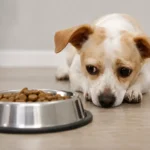
One of the biggest mistakes owners make is rushing back to regular dog food too soon. A recovering gut needs an easier workload.
This is just a general starting point for how to slowly bring your dog back to regular food. You should always double-check the exact details with your vet, since every dog’s situation can be a little different.
- Bland diet first: boiled chicken (no skin, no seasoning) and plain white rice, or a vet-prescribed recovery diet, in small portions
- Small, frequent meals rather than 1–2 large meals. This is gentler on a healing stomach
- Gradual transition back to regular food over 5–7 days once stool is consistently normal
- Avoid rich, fatty, or new foods during this period, this isn’t the time to introduce treats or diet changes
If vomiting or diarrhea returns when reintroducing food, slow down the transition and consultation with your vet.
Step 3: Prioritize Hydration
Dehydration is one of the biggest dangers with parvo. It can still be a problem even after your dog starts recovering. Make sure fresh water is always available. Keep an eye out for signs like dry gums, low energy, or skin that stays “tented” for a second instead of bouncing right back when you gently pinch it. This can be because of dehydration. Some vets recommend electrolyte solutions formulated for dogs during this period. Ask your vet before giving anything, since human electrolyte drinks aren’t always appropriate.
Step 4: Rest and Limit Activity
Even if your dog seems eager to play again, their body needs energy for healing and not activity. For the first 1–2 weeks:
- Keep walks short and low-key
- Avoid the dog park, daycare, or other high-energy situations
- Let your dog sleep as much as they want. This is normal and healthy during recovery.
Step 5: Isolate From Other Dogs
Parvo is highly contagious and can survive in the environment for months. Even after symptoms resolve, dogs can shed the virus in their stool for up to 2 weeks or more after recovery.
- Keep your recovering dog away from other dogs, especially unvaccinated puppies
- Avoid dog parks, shared yards, and boarding facilities for at least a few weeks (confirm timing with your vet)
- Disinfect anything the dog was in contact with bedding, food bowls, floors by using a parvo-specific disinfectant (regular household cleaners often won’t kill the virus)
Step 6: Watch for Warning Signs of Relapse or Complications
Even with good home care, complications can happen. Contact your vet immediately if you notice:
- Vomiting or diarrhea returning, especially with blood
- Refusal to eat or drink for more than a day
- Lethargy that seems to worsen rather than improve
- Fever
- Signs of dehydration (sunken eyes, dry gums, weakness)
Recovery isn’t always a straight line, and catching a setback early can prevent a much more serious situation.
Step 7: Rebuild Strength Gradually
Once your dog is eating normally, keeping food down, and has energy again, you can slowly reintroduce:
Socialization with other vaccinated, healthy dogs, once your vet gives the all-clear
Regular play and exercise, increasing gradually over 1–2 weeks
Normal food and treats, once fully transitioned
A Note on Cost
Between hospitalization, medication, and follow-up visits, parvo treatment cost can add up quickly, often ranging from a few hundred to several thousand dollars depending on severity. The recovery phase itself is relatively low-cost by comparison, mainly involving food, cleaning supplies, and any prescribed medications. One more reason is that it’s worth following the recovery plan closely rather than risking a costly relapse.
The Bottom Line
Getting through canine parvovirus is a huge milestone, but the days and weeks after are just as critical. Slow food reintroduction, hydration, rest, strict hygiene, and close attention to warning signs are what turn survival into a full recovery. You should vaccinate your puppies and dog on time for prevention. When in doubt, your vet remains the best resource for adjusting care to your dog’s specific needs.