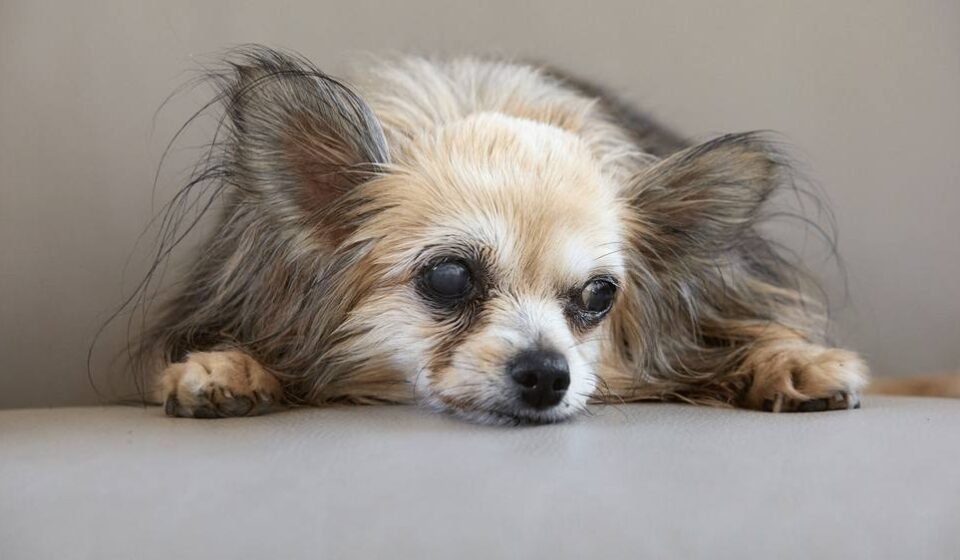

It was during my college holiday. My neighbor went away for a week, and she asked me to feed her dog while she was gone. I used to go and feed her as always, but one day I noticed her eye was getting red, and she was scratching it with her paws. I immediately called my neighbor and let her know. She arrived the next day, and when we looked, we noticed a thick green discharge crusted around her eyes.
My neighbor asked me what we could do, as I have had dogs my entire life. Honestly, I had no idea what it was, so I suggested cleaning the eyes with lukewarm water and a clean, soft towel. We called the vet, and it turns out dog eye discharge is more common than we think.
Table of Contents
What Causes Dog Eye Discharge?
Eye discharge in dogs can come from a handful of different sources, and figuring out which one you’re dealing with usually comes down to what else is going on alongside the discharge itself. I’ve broken each one down in more detail below so you can match it against what you’re actually seeing.
Allergies.
Environmental allergies (pollen, dust, grass, mold spores) are one of the most common causes of watery or clear dog eye discharge. Especially if it flares up seasonally, after time outdoors, or after a change in season. The discharge itself tends to be thin and clear rather than thick or colored.
It’s usually paired with other allergy signs like pawing at the eyes, rubbing the face against furniture or carpet, sneezing, or itchy, red-looking skin elsewhere on the body. Allergy-related discharge tends to come and go depending on exposure, which is one of the easiest ways to tell it apart from an infection.
Conjunctivitis (pink eye).
This is an inflammation of the tissue lining the eye and eyelid. It’s one of the most common reasons dogs end up with crusty, irritated-looking eyes. Depending on whether it’s caused by allergies, a virus, or bacteria, the discharge can range from watery and clear all the way to thick, yellow, or green.
You’ll usually notice the white part of the eye looks pink or red, and your dog may squint more than usual or seem generally bothered by light. Conjunctivitis can affect one eye or both. It often needs a vet-prescribed treatment to fully clear, especially once it turns bacterial.
Blocked tear ducts.
When a dog’s tear ducts don’t drain properly, tears build up and overflow down the face instead of draining normally. It leads to constant wetness, reddish-brown staining beneath the eyes, and sometimes a faint odor if bacteria start to grow in the damp fur.
This is especially common in flat-faced breeds like Pugs, Shih Tzus, and Bulldogs, whose facial structure makes proper drainage harder to begin with, but it can happen in any breed if the duct narrows, becomes blocked, or becomes inflamed.
Scratches or foreign objects in the eye.
A stray grass seed, a scratch from a branch during a walk, dust kicked up on a windy day, or even their own claw during a scratch at the face can irritate the surface of the eye enough to trigger a sudden burst of discharge.
This type of dog eye discharge tends to come on quickly, usually affects just one eye rather than both. It’s often paired with obvious discomfort like squinting, pawing at the eye, or keeping it partially closed. If you can see something visibly lodged in the eye, this warrants an urgent vet visit rather than home care.
Dry eye (keratoconjunctivitis sicca).
When a dog’s tear glands don’t produce enough of the watery part of tears, the eye tries to compensate by producing a thick, ropey, mucus-like discharge instead. Since that’s the only lubrication left to protect the surface of the eye. This condition tends to be chronic rather than something that clears up on its own within a few days, and without treatment it can lead to the eye looking dull, red, and increasingly irritated over time.
It’s more common in certain breeds, including Cocker Spaniels and Bulldogs, and it usually needs ongoing management with prescription eye drops from a vet.
Entropion or eyelash abnormalities.
Some dogs are born with eyelids that roll inward, or with eyelashes that grow in the wrong direction and rub directly against the surface of the eye with every blink. Both cause constant low-grade irritation, which the eye responds to by producing discharge as a protective reflex.
This tends to show up early in a dog’s life, and unlike allergy or infection-related discharge, it won’t improve with cleaning or drops alone, since the underlying cause is structural and usually needs a small surgical correction.
Underlying infections or systemic illness.
In some cases, eye discharge isn’t really about the eye at all, it’s a secondary symptom of something happening elsewhere in the body. There could be an upper respiratory infection, distemper, or another systemic illness.
This is usually paired with other symptoms like lethargy, nasal discharge, coughing, or a reduced appetite, rather than showing up as an isolated eye issue on its own. This is the scenario that most warrants a same-day vet call, since it points to something bigger than the eye itself.
What Does the Color of Dog Eye Discharge Mean?
This is the part most owners actually want to know, and it’s the fastest way to gauge how worried to be about dog eye discharge.
- Clear and watery: Usually allergies, mild irritation, or something temporary like wind or dust. Rarely urgent on its own.
- White or light gray, slightly stringy: Often mild irritation or the early stage of conjunctivitis. Worth watching over the next day or two.
- Yellow: Typically points to a bacterial infection. If it’s thick or your dog’s eyelids are stuck together in the morning, it’s worth a vet visit.
- Green: This was exactly what my neighbor’s dog had. Dog green eye discharge almost always signals a bacterial infection that’s more advanced than the yellow stage, and it’s usually thick, sticky, and crusts heavily around the eye. This is the color that most reliably means “don’t wait it out.”
- Red or blood-tinged: Can indicate an injury, a scratch, or bleeding somewhere in or around the eye. This one needs same-day veterinary attention.
- Brown staining (chronic, not sudden): Usually just tear staining from ongoing mild tearing, especially common in light-coated breeds. Cosmetic more than medical, though it’s worth mentioning at a regular checkup.
Dog Eye Discharge Home Remedy
For mild cases, a dog eye discharge home remedy can clear things up within a day or two. For anything beyond mild, these are supportive steps to take alongside a vet visit, not a replacement for one.
- Wipe gently with a warm, damp cloth. Use a clean, soft cloth soaked in warm water and wipe from the inner corner of the eye outward, using a fresh section of cloth for each eye to avoid spreading anything between them.
- Use a saline rinse. A sterile saline eye rinse (the kind made for dogs, not human contact solution) can help flush out mild irritants like dust or pollen.
- Keep the fur around the eyes trimmed. For longer-haired breeds, trimmed fur means less hair poking into the eye and less material for discharge to cling to and crust on.
- Check bedding and living areas for allergens. If you suspect seasonal allergies, washing bedding more often and vacuuming regularly can noticeably cut down on flare-ups.
- Don’t use human eye drops. Products made for people can contain ingredients that are unsafe for dogs. Stick to anything labeled specifically for veterinary use.
That’s exactly what we did with my neighbor’s dog that evening: a warm compress and a gentle wipe down, and by the next morning the discharge had already eased up. Hers turned out to be a mild bacterial case that cleared with a short course of antibiotic drops from the vet, but the home care made a real difference in the meantime.
When to See a Vet
Book a vet visit if you notice any of the following along with the discharge:
- Green or thick yellow discharge that isn’t improving after a day or two
- Redness, swelling, or your dog squinting and keeping the eye closed
- Discharge in only one eye, especially if it came on suddenly
- Your dog pawing at the eye aggressively enough to risk further injury
- Any blood in the discharge
- Cloudiness or a visible change in the surface of the eye itself
If your dog has also been dealing with ear issues around the same time, it’s worth checking our guide on dog ear infection home remedies, since allergies and infections in dogs often show up in more than one place at once.
Frequently Asked Questions
Q1. Is dog eye discharge normal?
A small amount of clear discharge, especially first thing in the morning, is normal. Thick, colored, or persistent discharge is not and should be checked out.
Q2. What color eye discharge is most concerning in dogs?
Green and blood-tinged discharge most reliably point to something that needs a same-day or next-day vet visit rather than home care alone.
Q3. Can I treat my dog eye discharge at home?
Mild, clear, or occasional discharge often responds well to gentle cleaning and a saline rinse. Thick, colored, or one-sided discharge usually needs a vet’s diagnosis, since it can point to infection or injury. Our dog eye discharge home remedy can help treat mild discharge.
How long does dog eye discharge take to clear up?
Mild cases from allergies or minor irritation often clear within a day or two of home care. Bacterial infections usually need a short course of vet-prescribed drops and can take about a week to fully resolve.
My neighbor’s dog was back to normal within a few days once she got the drops from the vet, and she jokes now that she has her own “eye discharge color chart” memorized. If you’re ever staring at your dog’s eye trying to decide whether it’s nothing or something, that color is usually your best first clue, but when in doubt, a quick vet check is always the safer call.
For more detail on eye conditions in dogs, the American College of Veterinary Ophthalmologists’ resources for pet owners are a reliable place to start.