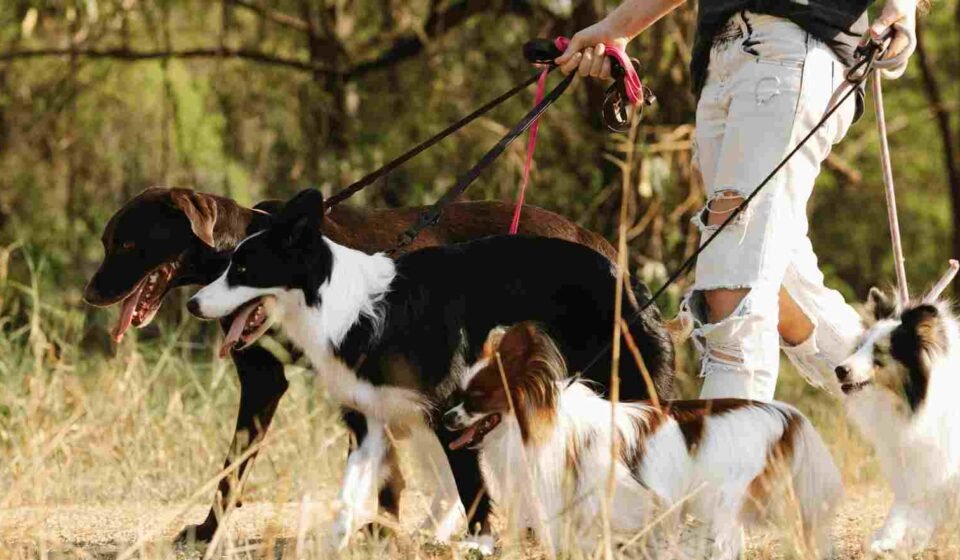

For years, I walked my dog the way most people do. Fast pace. Same route. Get it done and get home.
She pulled toward every bush. I pulled her back. “We don’t have time,” I’d say, like she would understand scheduling.
It took me a long time to realize something simple. I was walking my dog. I wasn’t giving her sniffing walks at all.
If you’ve ever rushed your dog past a lamppost mid-sniff, this post is for you.
Table of Contents
What Are Sniffing Walks for Dogs?
Sniffing walks for dogs are slow, dog-led walks. Your dog decides the pace, not you.
They stop. They sniff. They move on when they’re ready, not when you are.
Trainers sometimes call these decompression walks because they help dogs release stress, not just burn energy.
There’s no destination. For a true sniffing walk, the walk itself is the point.
Why the Nose Matters So Much
Dogs have up to 300 million scent receptors. We have about 6 million.
The part of a dog’s brain that processes smell is many times larger than ours, relative to brain size. This is exactly why sniffing walks for dogs matter so much.
So when your dog sniffs one patch of grass for 30 seconds, they’re not stalling. They’re reading a full story. Who passed by. What they ate. Whether they were relaxed or scared.
I used to think sniffing was my dog being difficult. It wasn’t. It was her doing the one thing she’s built to do better than almost any other creature on earth.
How Sniffing Walks Tire the Brain, Not Just the Body
This is the part most owners miss, including me for a long time.
Physical exercise tires the muscles. Sniffing walks for dogs tire the brain. And mental fatigue often calms a dog faster than physical fatigue does.
A 20-minute sniffing walk can leave a dog calmer than a 45-minute fast walk around the block.
This matters most for:
- Anxious or reactive dogs
- High-energy breeds that “never seem tired”
- Senior dogs with joint pain who still need stimulation
- Puppies learning about the world for the first time
Fast Walks Aren’t Useless, But They’re Not Sniffing Walks
I’m not saying stop your fast walks. They still matter for:
- Cardiovascular health
- Weight control
- Muscle tone
But if that’s the only kind of walk your dog gets, don’t be surprised if they’re still restless at home. Chewing. Barking. Zoomies at 9pm, right when you want to sit down.
That’s often a sign your dog is missing sniffing walks, not missing exercise.
Signs Your Dog Needs More Sniffing Walks
Ask yourself honestly:
- Does your dog seem “wired” even after a long walk?
- Do they struggle to settle at home?
- Do they pull hard toward smells, like they’re starved for it?
- Are they anxious, reactive, or easily overstimulated?
If you said yes to any of these, your dog likely needs more sniffing walks, not more speed.
How to Start Sniffing Walks for Dogs Today
- Use a longer leash if it’s safe. Six feet or more.
- Let your dog choose the pace, not you.
- Don’t pull them away mid-sniff. Let them finish.
- Aim for at least one sniffing walk a day, even a short one.
- Watch their body. A relaxed tail and soft eyes mean it’s working.
You’ll likely notice something within the first week of regular sniffing walks. A calmer dog at home. Less pacing. Less pulling on the next walk.
A Simple Weekly Plan for Sniffing Walks
| Walk Type | Purpose | How Often |
|---|---|---|
| Fast walk | Physical exercise | 3–4x per week |
| Sniffing walk | Mental stimulation, stress relief | Daily, even if short |
| Off-leash sniffing (safe, enclosed area) | Full sensory freedom | Weekly, if possible |
You don’t need to choose one over the other. Your dog needs both — but sniffing walks for dogs are the piece most owners skip.
Frequently Asked Questions About Sniffing Walks for Dogs
Q1. Do sniffing walks for dogs count as real exercise?
Ans. Yes, but differently than a fast walk. Sniffing walks are mental exercise more than physical exercise. Dogs need both to feel balanced.
Q2. How long should sniffing walks for dogs be?
Ans. Even 10 to 15 minutes helps. Longer is fine if your schedule allows it.
Q3. Can sniffing walks help with dog anxiety?
Ans. Yes. Many trainers use sniffing walks specifically to lower stress in anxious or reactive dogs.
Q4. Should puppies do sniffing walks too?
Ans. Yes. Sniffing walks help puppies build confidence and learn about their environment safely, at their own pace.
Q5. Will more sniffing walks make leash training harder?
Ans. No. You can still teach structured walking separately. A sniffing walk is a designated, intentional time for your dog to lead — not a free-for-all every walk.
Final Thoughts
I wish someone had told me sooner that a slower walk wasn’t a wasted walk. That sniffing walks for dogs weren’t me losing control. They were me finally understanding what she actually needed. Letting your dog take the lead on a scent-led walk helps dogs decompress. It exercises their body and their mind at the same time.
If your dog pulls hard toward every smell, don’t fight it every time. Some days, let them win.
Disclaimer: This article is based on general dog behavior and enrichment principles. It is for informational purposes only and should not replace guidance from a certified dog trainer or veterinary behaviorist, especially if your dog shows signs of severe anxiety or reactivity.