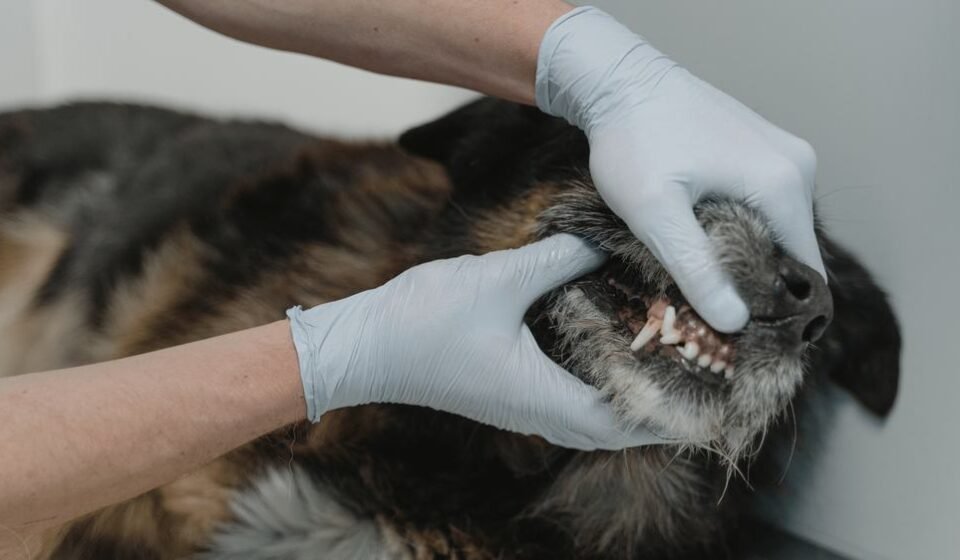

I noticed it with Lucy after she got hit by a bicycle. It wasn’t a bad accident, but it shook her enough that for three to four months afterward, she just would not eat on her own. We ended up hand-feeding her, because chewing anything hard seemed to bother her. So we mostly gave her soft food. It felt like the safest option at the time.
What I didn’t realize was that only having soft food, with none of the natural chewing that scrapes plaque off a dog’s teeth, was quietly setting up a bad breath problem of its own. By the time she was back to eating normally, her breath had turned sour, almost rotten, nothing like the “normal dog breath”.
If you’re here because your dog’s breath has started making you turn your head away, you’re not overreacting. Bad breath in dogs (vets call it halitosis) is common for many dogs. But it’s not something you should just get used to. In most cases, it comes down to something fixable, like plaque buildup. In some cases, it’s your dog’s body trying to tell you something bigger is going on.
Here’s how to tell the difference, and what actually helps.
Table of Contents
What Causes Bad Breath in Dogs?
What causes bad breath in dogs almost always comes down to one of these eight things. I’ve listed them roughly in order of how common they are, and gone into more detail on each one so you can actually figure out which one fits your dog.
Dental disease and plaque buildup.
This is, by far, the most common reason behind bad breath in dogs. Every time your dog eats, a thin film of bacteria forms along the gumline. If it isn’t brushed away, it hardens into tartar within days, and that hardened tartar is where the smell really starts. It’s the same for humans.
Dogs over three years old are especially prone to this, since most never get their teeth brushed regularly at home. If your dog has never had a professional dental cleaning and the smell has been building slowly over months rather than appearing suddenly, this is very likely your answer.
Periodontal disease.
When plaque and tartar are left untreated long enough, bacteria works its way beneath the gumline and start breaking down the tissue and bone that hold the teeth in place.
This is a more advanced stage of dental disease, and it’s a much bigger contributor to serious bad breath in dogs than surface-level plaque alone. You’ll often notice the smell gets noticeably worse over a short period, and it’s frequently paired with red, swollen, or bleeding gums, loose teeth, or your dog pulling away when you touch their mouth.
Diet and what they’ve gotten into.
Some dogs raid the trash, dig through the yard, or snack on something dead or decaying on a walk without you noticing. Others just have a diet that doesn’t sit right with their stomach.
This kind of bad breath tends to show up out of nowhere and disappear just as quickly, usually within a day or two. This is one of the easiest ways to tell it apart from a dental problem. If the smell keeps coming back in the same pattern, it’s worth watching what your dog has access to at home and on walks.
Oral tumors or growths.
This one is far less common than the causes above, but it’s important not to overlook it. Any new lump, bump, or unusual growth inside the mouth, especially one that shows up around the same time as a sudden change in breath odor, is worth having a vet look at directly.
Oral tumors can sometimes cause a distinctly foul smell as tissue breaks down, and catching them early makes a real difference in treatment options. This needs immediate treatment by the vet.
Kidney disease.
This cause tends to catch owners off guard because it seems to have nothing to do with the mouth at all. When the kidneys aren’t filtering waste properly, toxins build up in the bloodstream.
This can be released through the breath, often producing a smell that people describe as sharp, ammonia-like, or similar to urine. This is more common in older dogs, and it’s usually paired with other signs like drinking more water than usual, increased urination, or a noticeable drop in appetite.
Diabetes.
Uncontrolled diabetes changes the way a dog’s body processes sugar, and one of the side effects can be a distinctly sweet or fruity smell on the breath.
This happens because the body starts breaking down fat for energy instead of glucose, producing ketones that carry a noticeable odor. If you’re smelling something sweet rather than sour or foul, and your dog has also been drinking and urinating more than usual, it could be diabetes.
Digestive issues.
Chronic acid reflux, an upset stomach, or other ongoing digestive problems can cause a breath smell that seems to rise up from deeper in the throat rather than sitting in the mouth itself.
This type of odor is often described as sour or acidic, and it tends to come and go depending on what your dog has eaten recently or how their stomach is doing that day. If dental checkups keep coming back clean but the smell keeps returning, the digestive tract is worth investigating next.
A prolonged soft-food diet.
This one doesn’t get talked about enough. If your dog is recovering from an injury, surgery, or illness and is eating only soft or hand-fed food for weeks or months, they’re missing out on the natural chewing action that helps scrape plaque off their teeth.
Over time, this can lead to faster plaque buildup, dental disease, and bad breath. If it goes unaddressed long enough, the bacterial buildup can eventually put extra strain on the kidneys. This was exactly what happened with Lucy after her accident. If your dog has been on soft food for a while for any reason, it’s worth asking your vet about a dental check once they’re back to eating normally.
If your dog has also been licking their paws a lot alongside the smell, it’s worth reading our guide on why dogs lick their paws, since skin and allergy issues sometimes show up together with other health changes.
Is Bad Breath in Dogs a Sign of Illness?
Sometimes, yes. Is bad breath in dogs a sign of illness depends heavily on what the smell actually is and what else is going on with your dog.
Here’s a quick way to tell normal from concerning:
- Mild, slightly unpleasant smell that’s been there a while and isn’t getting worse (usually just plaque buildup).
- Sudden, strong change in odor: It’s worth watching closely, and worth a call to your vet if it doesn’t improve in a few days.
- Ammonia or urine-like smell: It can point to kidney problems, especially in senior dogs.
- Sweet or fruity smell: It can point to diabetes, especially paired with drinking more water than usual.
- Rotten, foul smell with drooling or difficulty eating: It can point to an oral tumor, abscess, or advanced dental disease.
If your dog is older, I’d treat any sudden change in breath the same way I’d treat any sudden behavior change: worth mentioning at their next vet visit, even if nothing else seems wrong.
How to Get Rid of Bad Breath in Dogs
Once you’ve ruled out anything serious, how to get rid of bad breath in dogs usually comes down to consistency, not one magic fix.
- Brush their teeth. I know, easier said than done. Even two to three times a week with dog-safe toothpaste makes a real difference over a few weeks.
- Use dental chews or water additives. Look for ones with the VOHC (Veterinary Oral Health Council) seal, since not all dental products actually do what they claim.
- Get a professional dental cleaning. If tartar has already hardened, no amount of brushing at home will remove it. A vet cleaning resets the baseline.
- Switch to dental-formula kibble if recommended. Some kibble is shaped specifically to scrape plaque as your dog chews.
- Check their water bowl and toys. Bacteria builds up fast in dirty bowls and chew toys, and it can contribute more to the smell than people expect.
- Rule out diet as the cause. If the smell shows up right after meals, it might just be the food itself, not a dental issue at all.
None of these are instant. Give any new routine two to three weeks before deciding it isn’t working.
When to See a Vet
Book a vet visit if you notice any of the following along with bad breath in dogs:
- Drooling more than usual
- Bleeding gums or visible tartar buildup
- Trouble chewing or dropping food
- A lump anywhere in the mouth
- Increased thirst or urination
- Sudden, severe odor that came out of nowhere
If your dog’s ears have also started smelling off, that’s usually unrelated to dental issues but still worth checking out. Our guide on dog ear infection home remedies walks through what to look for.
Frequently Asked Questions
Q1. Is it normal for dogs to have some bad breath?
A little bit, yes. Dogs don’t brush their teeth, so mild breath odor is normal. A strong, persistent, or suddenly changed smell is not.
Q2. Can bad breath in dogs go away on its own?
Mild cases caused by diet usually clear up on their own within a day or two. Bad breath caused by dental disease will not go away without treatment and tends to get worse over time.
Q3. What home remedy works best for dog bad breath?
Regular brushing with dog-safe toothpaste, combined with VOHC-approved dental chews, is the most reliable combination for everyday maintenance.
Q4. When should I be worried about my dog’s bad breath?
Be concerned if the smell is sudden, unusually strong, or paired with drooling, bleeding gums, weight loss, or increased thirst. These can point to dental disease, kidney issues, or diabetes.
Once Lucy was eating normally again, we got her a dental cleaning and slowly worked hard food and dental chews back into her routine. Her breath went back to normal within a few weeks, and it’s been fine ever since.
If your dog has been through something similar, such as an injury, a surgery, or a rough patch where soft food was the only option. Don’t assume the bad breath will just sort itself out once they’re eating normally again. A quick vet check can save you months of guessing.
For more on recognizing dental disease in dogs, the American Veterinary Medical Association’s guide to pet dental care is a solid, trustworthy resource.